How often should you get plumbing repair?
Plumbing repair is something you do when a part wears out or leaks, not on a calendar. A typical home may go a long stretch with nothing needing work, then have two or three small issues in a season as washers, seals and supply lines reach the end of their life.
The better habit is a regular look. Check once a year, and also any time you notice a change in how water sounds, smells, drains or flows. A small fix made early is usually quicker and less disruptive than waiting for it to get worse.
How often should you check your plumbing yourself?
A homeowner walk-through once a year is a good rule, with a quick glance every few months at the spots that fail first. It takes about half an hour and needs no tools beyond a flashlight.
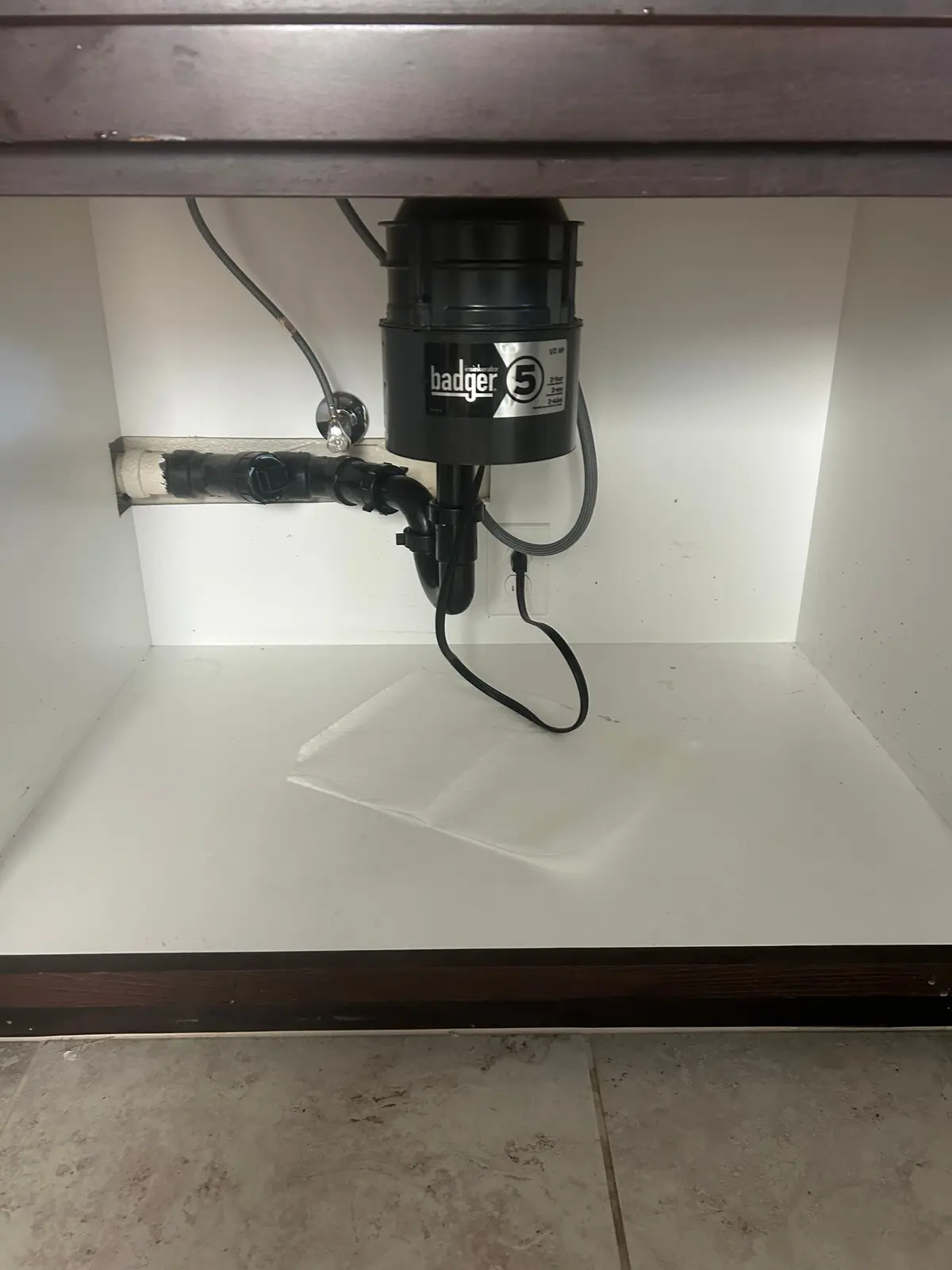
Look under every sink and around the toilets for moisture, stains or rust. Run each faucet and shower and watch for weak pressure or drips after shutting it off. Check the water heater area and any visible pipes for corrosion or damp spots. Know where your main shutoff valve is and make sure it turns. Check your water bill too: a jump with no change in habits can point to a hidden leak.
What signs mean you need plumbing repair?
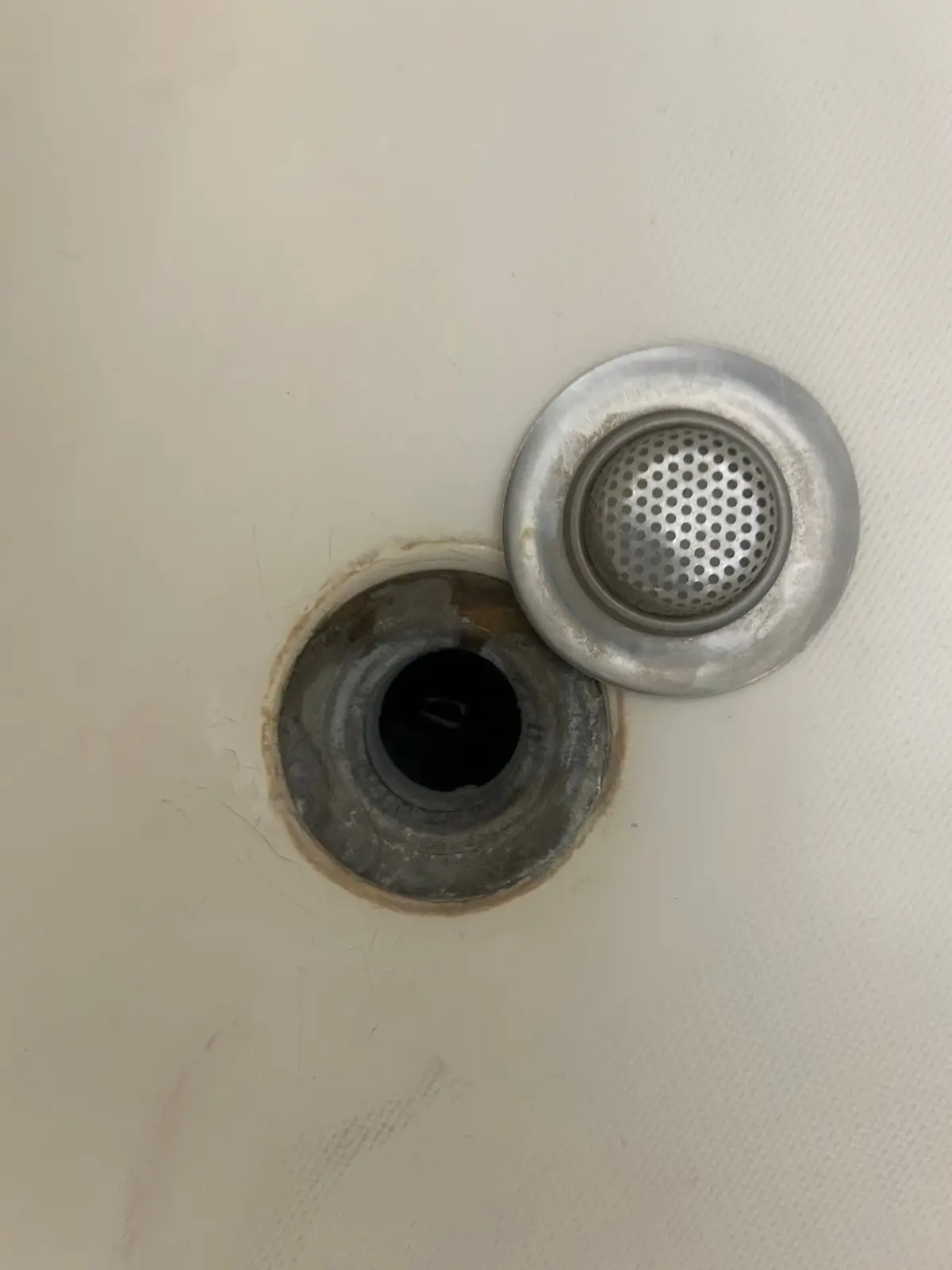
Any leak, drip, or damp spot that keeps coming back means it is time for a repair. So do low water pressure, no hot water, a toilet that keeps running, and water stains on ceilings or walls.
Other signs are gurgling from drains, drains that are slow in more than one fixture, musty smells under sinks, and pipes that bang when water is turned on or off. One slow sink may be a local clog. Several slow drains at once often point to a bigger issue in the line, and that is worth getting looked at sooner.
Which plumbing problems can wait, and which can't?
A steady leak, water coming through a ceiling, a pipe that has burst, or a drain backing up into the house should be dealt with right away. Shut off the water at the fixture or the main valve to limit the damage while you arrange a repair.
A drip from a faucet, a toilet that runs now and then, or a slightly slow drain can usually wait a few days. They still shouldn't be put off for months. A dripping faucet wastes water the whole time, and a worn part inside a toilet tank can get worse and run constantly.
Should you fix plumbing yourself or call a plumber?
Simple jobs like replacing a faucet aerator, a toilet flapper, or clearing a minor clog with a plunger are reasonable to try yourself. Anything involving pipes inside walls, repeated clogs, a leak you can't trace, or water that won't shut off is better handed to a plumber.
The trade-off is time and risk. A do-it-yourself fix can cost less up front, but a wrong connection or a missed cause can mean the problem returns or causes water damage. If a repair fails twice, that is a good point to stop and get it looked at properly.
Where can you get plumbing repair near you?
California Drain Rooter and Plumbing does drain cleaning and plumbing repair in Ceres, Modesto, Turlock, Manteca, Tracy and Stockton.
If you are searching for plumbing repair in one of those towns, describe what you are seeing when you call: where the water is, how long it has been happening, and whether you have shut the water off. That helps get to the real cause faster.
Questions we hear
Do you need a plumber if nothing is wrong?
Not necessarily. If you do a yearly check yourself and nothing looks off, you may not need a visit. Call a plumber if you find something you can't explain, such as damp cabinets, odd noises, or a rise in your water bill.
How long do plumbing parts usually last?
It varies by part and by use. Rubber seals, washers and toilet flappers often wear out in a handful of years, while supply lines and water heaters tend to last longer. Check them once a year and replace anything that is cracked, stained or leaking.
Is a slow drain a plumbing repair or a drain cleaning job?
A slow drain is often a clog, which is a drain cleaning job. If the slowness comes back soon after clearing, or shows up in several fixtures at once, there may be a deeper problem that needs a plumbing repair.
Can a small leak wait until later?
A small leak can usually wait a few days if you contain it, but it should not wait months. Even slow leaks can rot cabinets and floors and grow mold, and they waste water the whole time.
What should I do before the plumber arrives?
Shut off the water at the fixture or main valve if water is running freely. Move belongings away from the wet area, take a photo of the problem, and note when it started. Don't use a fixture that is backing up.